AIRSHIP
Pollution Free Space
There are primarily two types of air pollution.
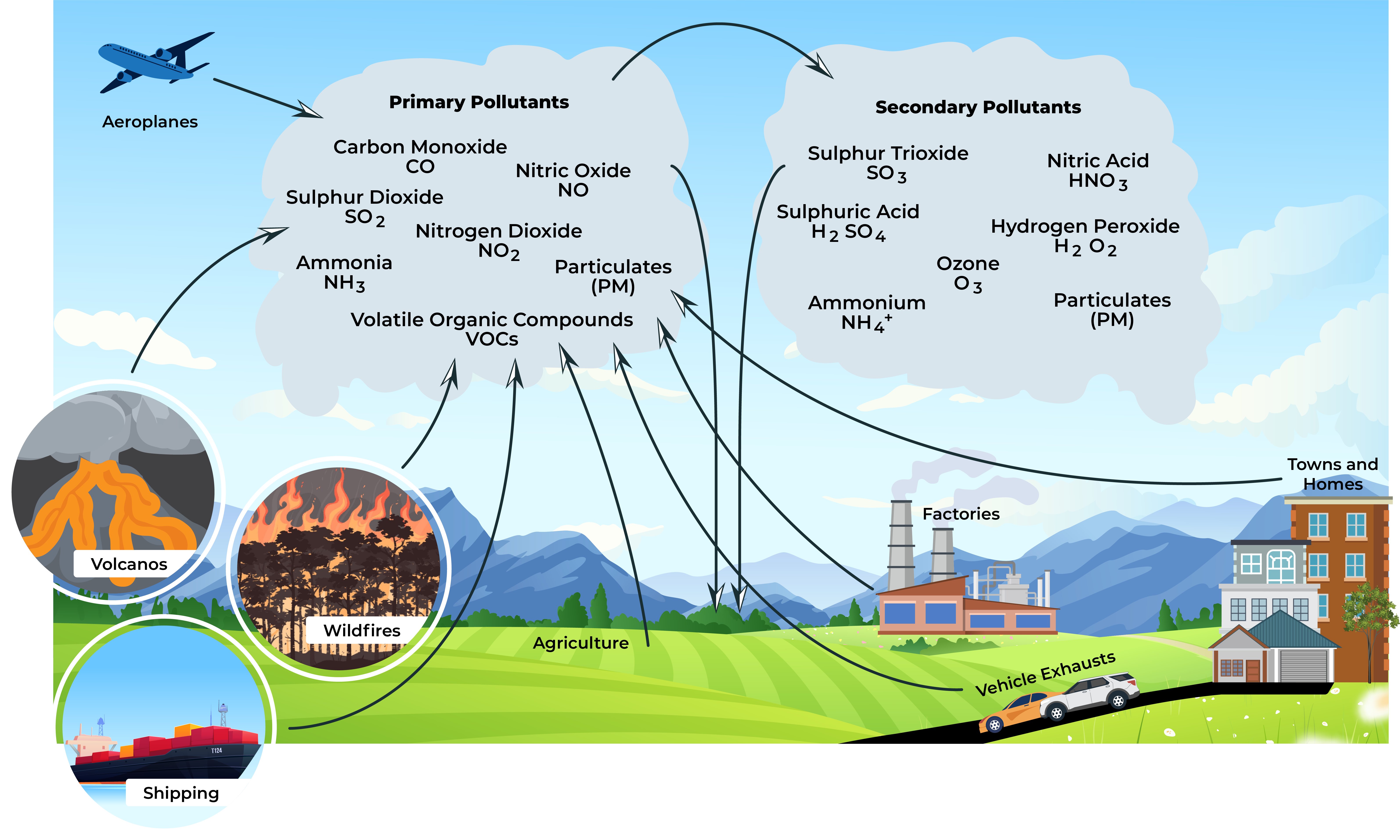
Outdoor Pollution is the presence in the air of one or more substances at a concentration or for a duration above their natural levels, with the potential to produce an adverse effect.

Indoor air pollution is the quality of air within buildings and structures, and the impact it has on the health and comfort of people who live there.
Together, these sources produce 45 different major types of pollutants that are responsible for increased air toxicity in India.
These 45 pollutants are classified into FOUR major categories.
Please note that individuals with pre-existing conditions and comorbidities are affected by all pollutants, depending upon their physiology.
Although some air pollutants are solely anthropogenic, many may also result from natural processes.
Invisible, Indestructible, and Bioaccumulating Inside You:
PFAS are a group of thousands of man-made chemicals with a strong carbon-fluorine bond, making them resistant to environmental degradation due to heat, grease, and water. They are called "forever chemicals" due to their persistence, and have been under use in many common products like nonstick cookware, water-resistant fabrics, hygiene products, cosmetics and food packaging, since the 1950s.
People are exposed through contaminated food, water, and contact with contaminated products. In the semiconductor industry, which generates PFAS-laden wastewater, PFAS pose a unique challenge with concentrations as high as 78,000 ppt in wastewater streams, vastly exceeding regulatory limits of 4ppt.
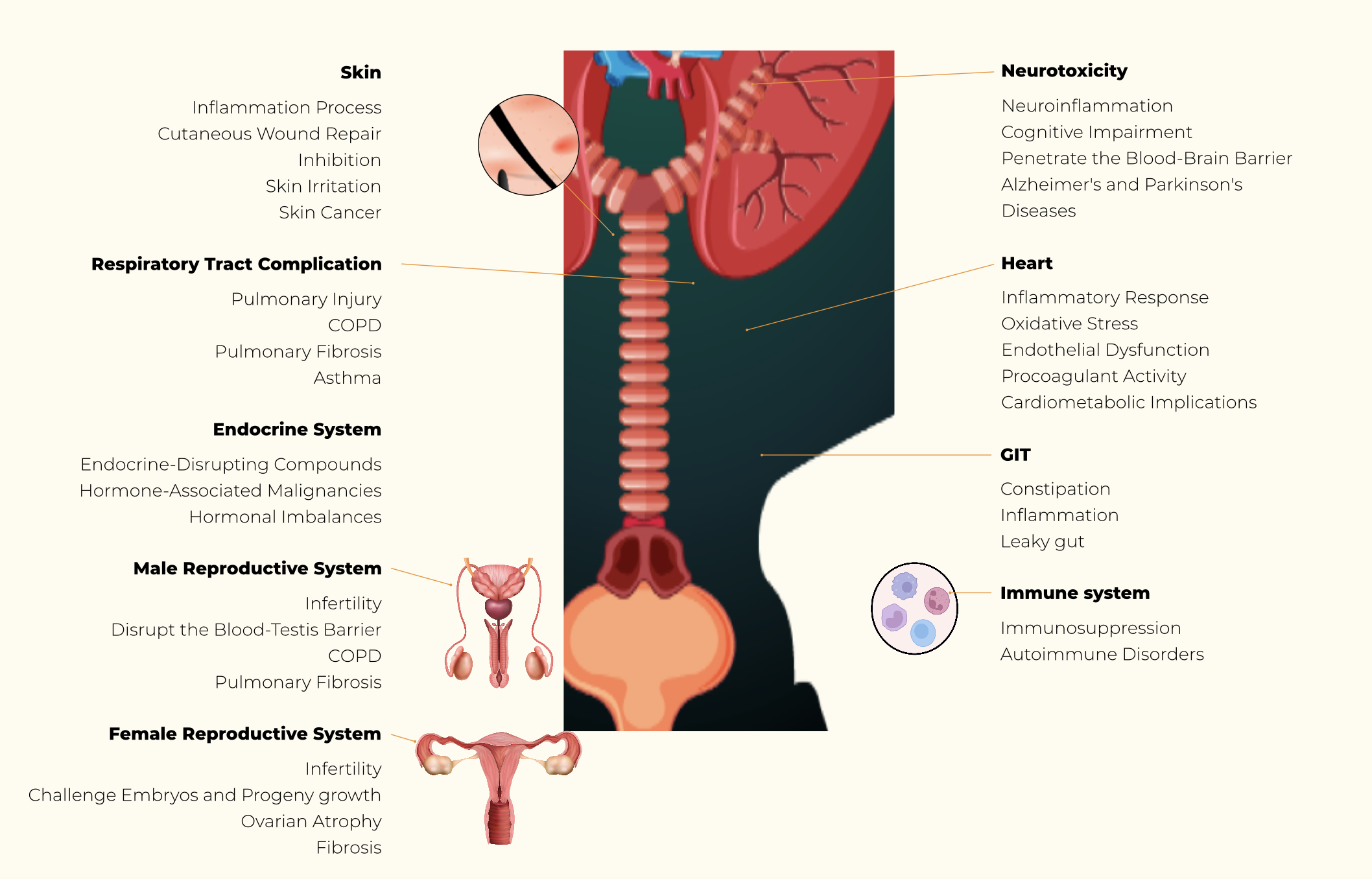
Studies show potential associations between PFAS exposure and various health effects, including altered immune and thyroid function, liver disease, lipid and insulin dysregulation, kidney disease, adverse reproductive and developmental outcomes and even cancer - liver, testicular and pancreatic.
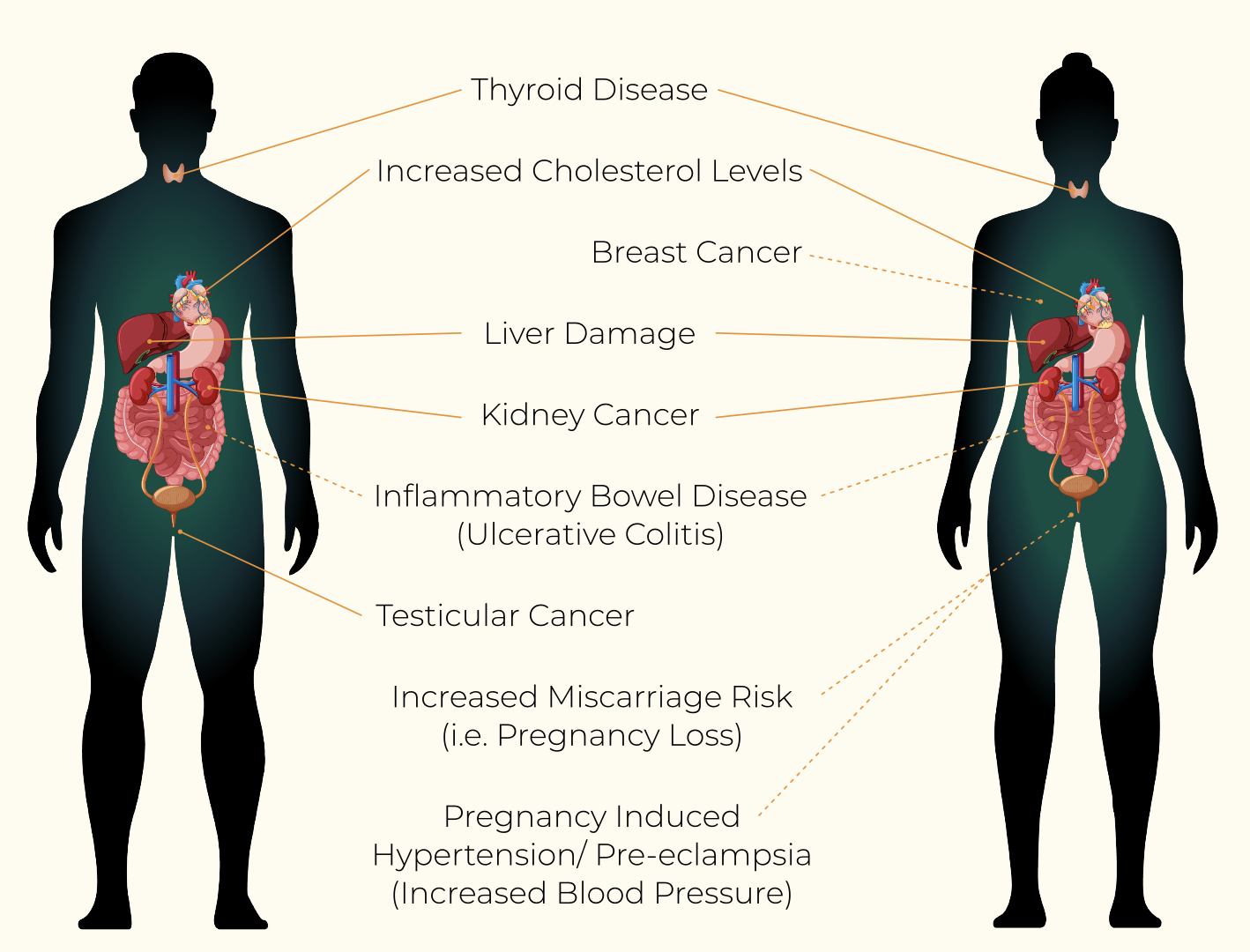
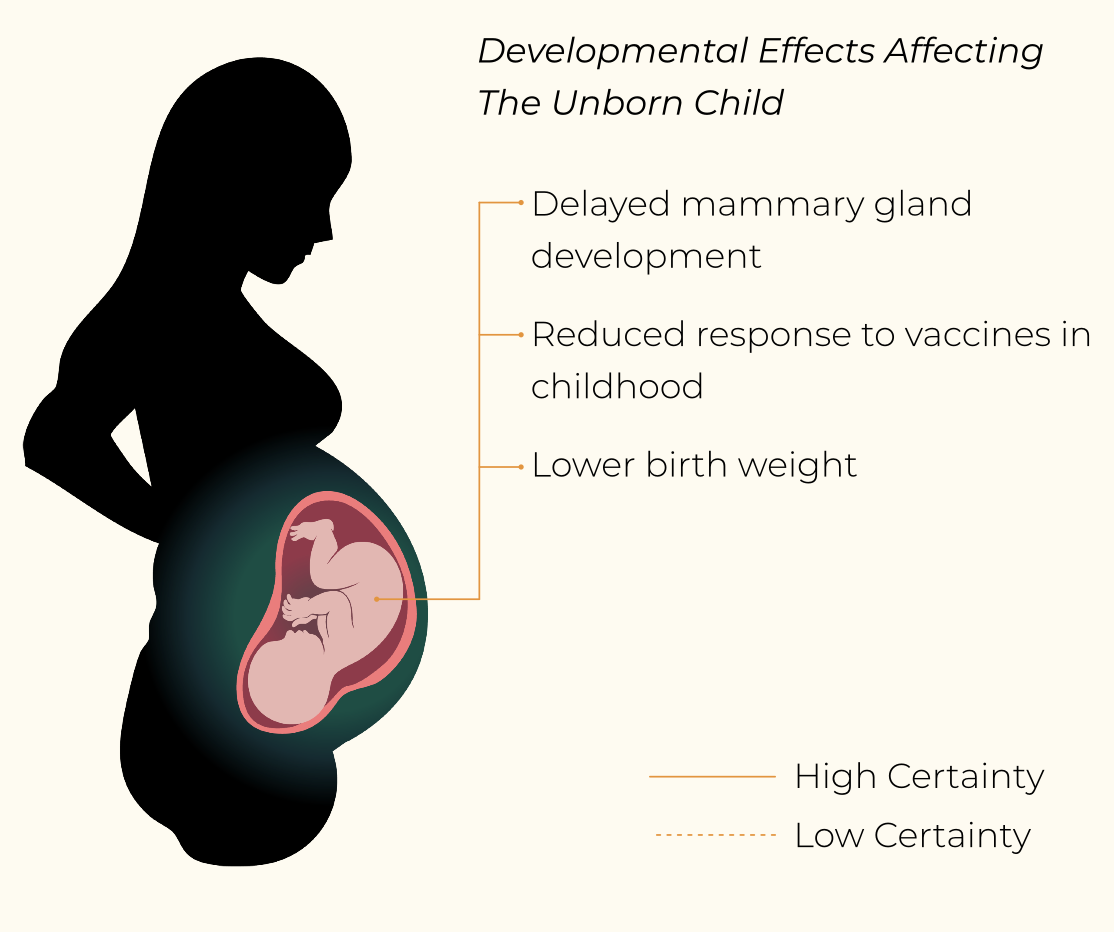
PFAs are found everywhere on Earth, even in Antarctica, and cover everything from air, land, water, plants and every living creature including humans, resulting in a massive worldwide contamination. They bioaccumulate in the environment and living organisms by binding to proteins in the blood, liver, and other tissues, particularly for long-chain molecules. There are approximately 18,000 types of PFAS, making it an extremely large and diverse class of chemicals.
PFAS are not banned or even regulated in India. While India is a party to the Stockholm Convention, which includes restrictions on certain PFAS like PFOS, India has not adopted the amendment that would regulate PFOS or other PFAS substances according to the International Pollutants Elimination Network (IPEN).
Microplastics are plastic particles less than 5 millimeters in size, originating from primary sources like cosmetics or the breakdown of larger plastic items, and are a major environmental and health concern.
They enter ecosystems through sources like synthetic clothing, plastic products and tire wear and are found in diverse environments, including oceans, air, and soil, and are ingested, inhaled or absorbed by humans through contaminated food, water, and personal care products.
MPs originate from various sources, including plastic waste, vehicle tires, synthetic textiles, and personal-care products, and have been increasingly detected in human environments (including the food chain), water, and air- and even found in the placenta.
Bioaccumulation of MPs may harm human health, trigger inflammation, and cause cellular stress. Evidence is mounting that MPs can have global consequences on the general population by possibly inciting inflammatory responses leading to chronic diseases. They can interfere with endocrine function, suppress immune responses, and serve as vectors for harmful chemicals and pathogens
Though the concrete links to certain diseases are still in limbo, it follows that MPs accumulating on and within an organism is not good. Reduction in plastic pollution and additional research into toxicity will be vital for reducing potential health risks that may not yet be fully understood with regard to its impact on human well-being.